The Wedding of the Soul
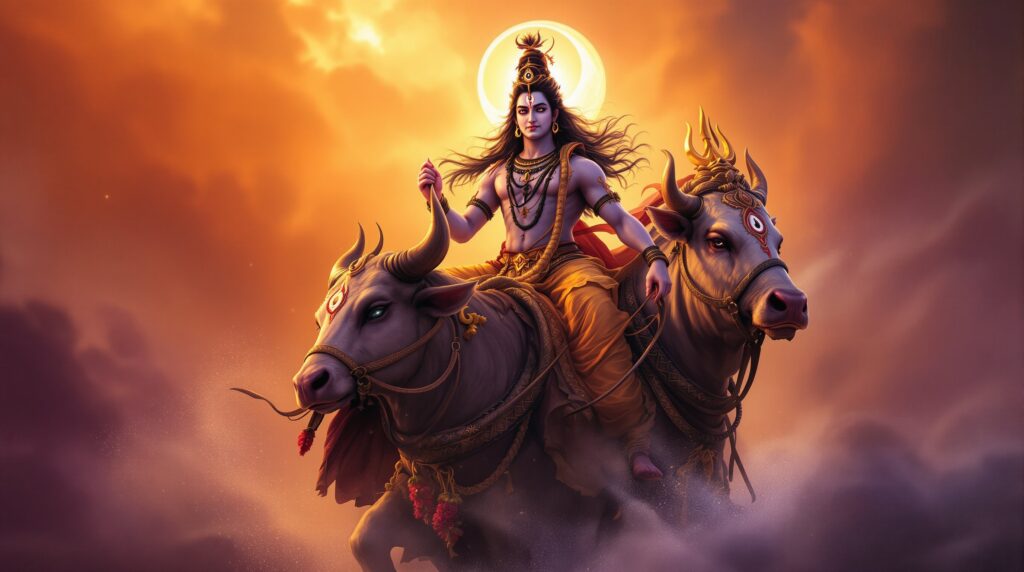
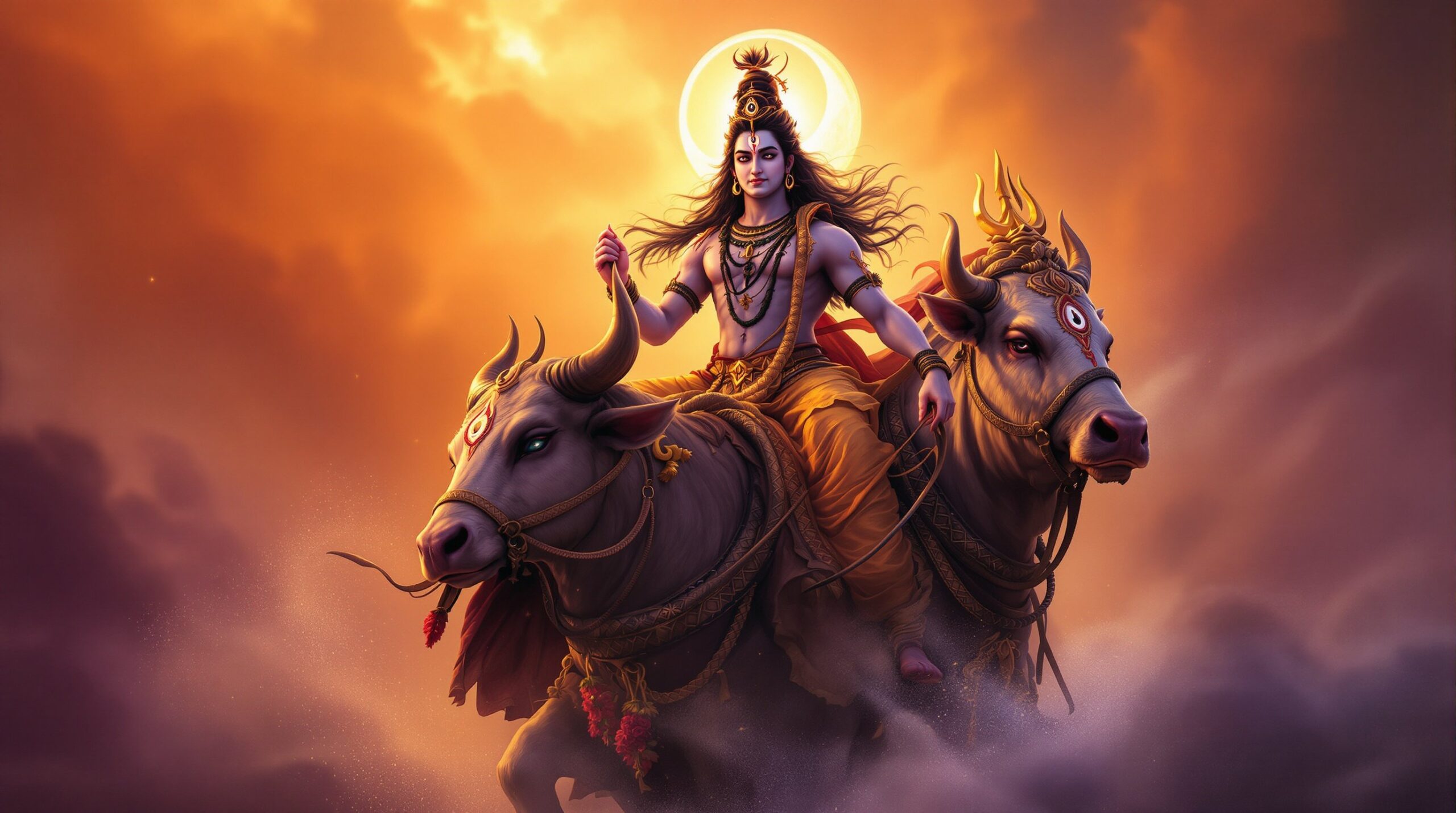
Imagine a wedding procession where the bridegroom rides a bull, his body smeared in fresh ashes, adorned with snakes instead of jewels, and followed by a chaotic army of ghosts, goblins, and formless spirits. This is not a scene from a nightmare, but the glorious Barat (wedding procession) of Lord Shiva in the Tulsi Ramayana.
Why would a divine event look so terrifying?
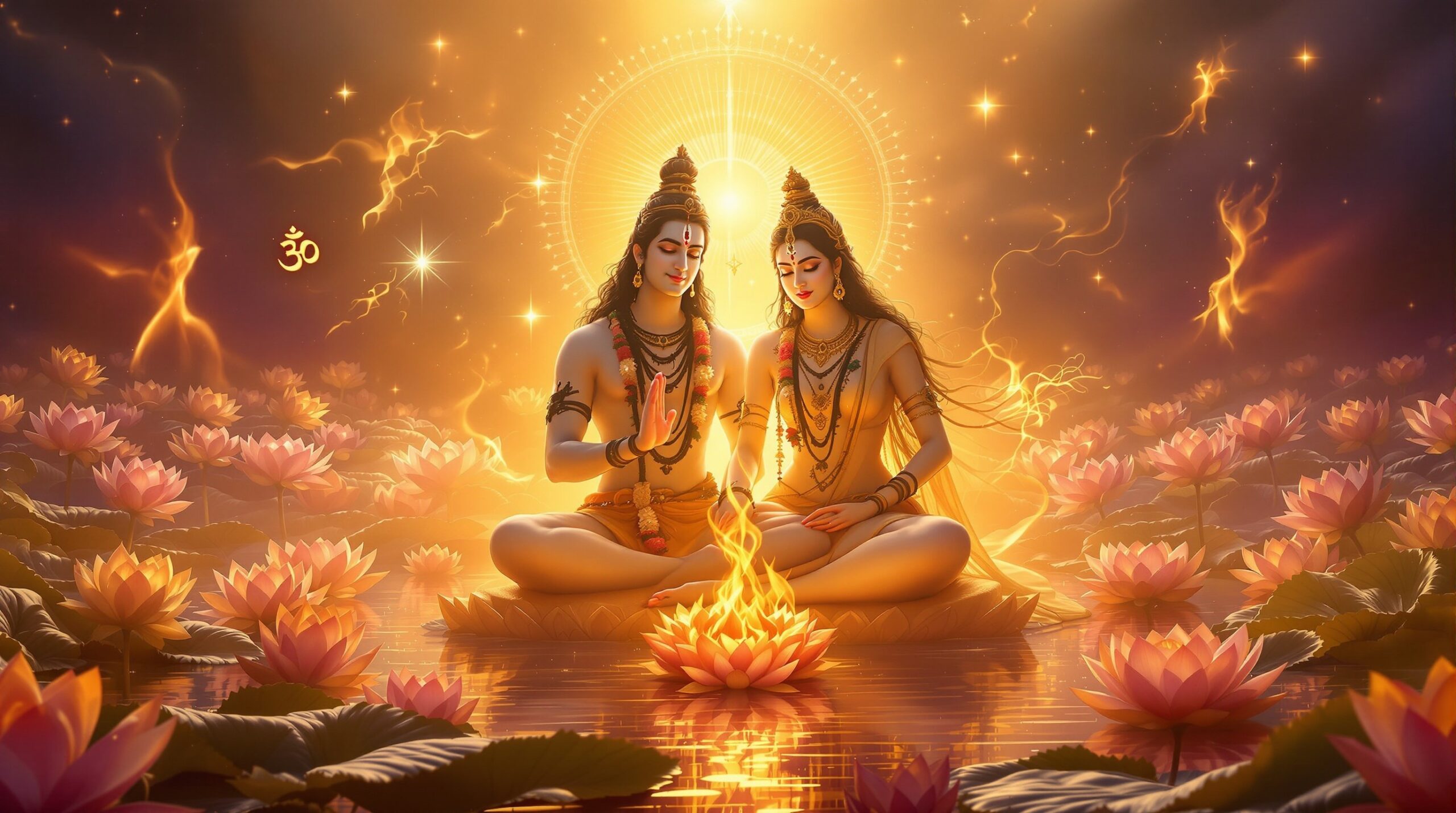
In this profound lesson, Swami Jyotirmayananda reveals that this imagery is not merely mythological storytelling; it is a precise map of our own spiritual evolution. It depicts the moment the individual Soul (Shiva) prepares to wed the Intuitive Intellect (Parvati or Viveka Buddhi).
The Three Processions of Life
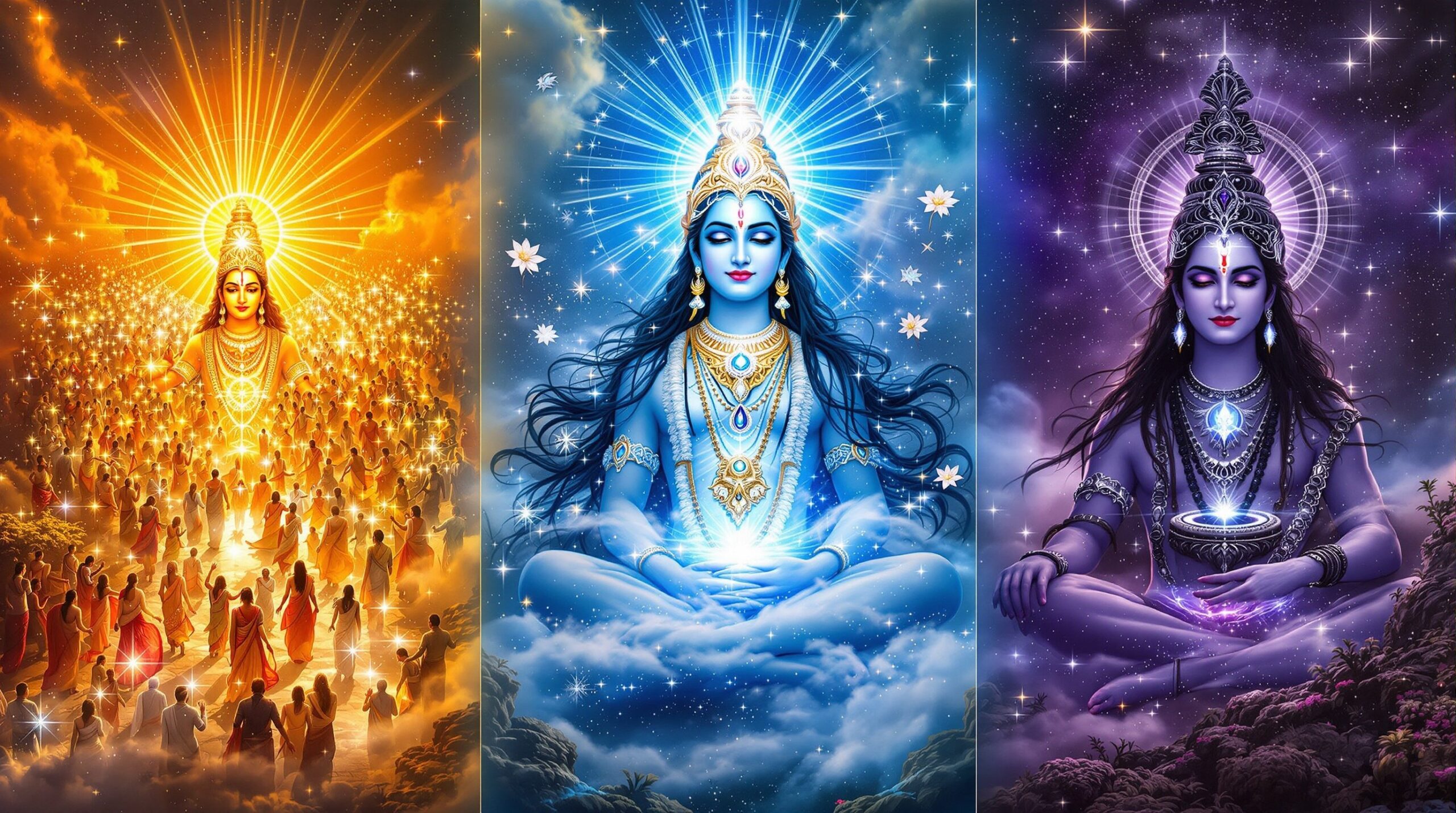
Swamiji explains that the wedding guests represent the three distinct aspects of God operating within the human experience. As we evolve, we move through these three stages:
Brahma’s Party (The Feet): The Path of Action
First comes the procession of Lord Brahma. This group is glittering, orderly, and socially acceptable. It represents the realm of Karma—our struggle for fame, comfort, worldly virtue, and establishing ourselves in society. It is beautiful, but it is Alpam (little/finite).
Vishnu’s Party (The Heart): The Path of Devotion
Next comes the procession of Lord Vishnu. This party shines with the radiance of diamonds and pearls. It represents the cultivation of Daivi Sampat (divine wealth) within the heart. It symbolizes virtues such as compassion, charity, and purity. This is a higher stage, but it is still a preparation.
Shiva’s Party (The Head): The Path of Absolute Wisdom
Finally, the groom arrives. Lord Shiva represents Tattvajnana—Absolute Wisdom. Here, the illusions of the world are stripped away. There are no “clothes” of ego, no “jewels” of attachment. There is only the naked reality of the Spirit.
Why Wisdom Looks “Ugly” to the Ego
In the story, when the villagers saw Shiva’s terrifying procession, the children ran away in fear, and the women hid in their homes. Swamiji teaches us that this represents the reaction of the unprepared mind when faced with Vairagya (dispassion).
When you begin to see the world as it truly is—transient (Anitya)—the things that once charmed you (wealth, status, sensory pleasures) start to lose their luster. To the attached mind, this loss looks like “ashes” and “skeletons.”
To the ignorant child, Shiva is a madman. To the wise Dhira, Shiva is the embodiment of Freedom.
The ghosts and goblins represent the destruction of our Vasanas (subconscious impressions). For the Soul to successfully wed the Intuitive Intellect, the ego must be willing to let go of its pretty costumes and face the naked reality of the Truth.
Scholar’s Corner: Scriptural Insights
Daivi Sampat (Divine Wealth): Swamiji references the Bhagavad Gita (Chapter 16), which enumerates the virtues necessary for liberation. These include:
- Abhayam: Fearlessness
- Sattva Samshuddhi: Purity of heart
- Dama: Self-control
The Dhira (The Wise One): The Upanishads use the term Dhira to describe the spiritually bold individual. While the masses look outward and run from the Truth, the Dhira has the inner strength to turn their gaze inward and withstand the destruction of the ego.
Glossary of Terms
- Viveka Buddhi: The discriminative, intuitive intellect that guides the soul to liberation
- Manonasha: The destruction of the mind; the cessation of the ego’s attachments (Raga) and hatreds (Dvesha)
- Vasanas: Subconscious impressions or subtle desires that remain in the mind and drive our future actions
- Moha: Delusion or attachment that binds the soul to the material world
- Bhuma vs. Alpam: Bhuma refers to the Infinite/Absolute (God), while Alpam refers to the finite/little (Worldly pleasures)
Take the Next Step
Are you ready to join Shiva’s party and embrace the path of wisdom?
This study guide is drawn from the archived teachings of Sri Swami Jyotirmayananda.