“You are the architect of your destiny.”
In our spiritual practice, we often feel like we are fighting an uphill battle. We strive for peace, yet our minds remain agitated. We seek love, yet our attachments cause pain. We want to act, yet we feel paralyzed. The _Yoga Vasistha_, a monumental scripture of Ancient Teachings for Modern Living, illuminates the root cause of this struggle: the false ego.
In Lesson 116, Swami Jyotirmayananda narrates the compelling parable of three demons—Dama, Vyala, and Kata—created by the magician Shambarasura to defeat the Gods (our higher self). This story serves as a profound mirror for our own spiritual condition.
The Three Faces of the Ego
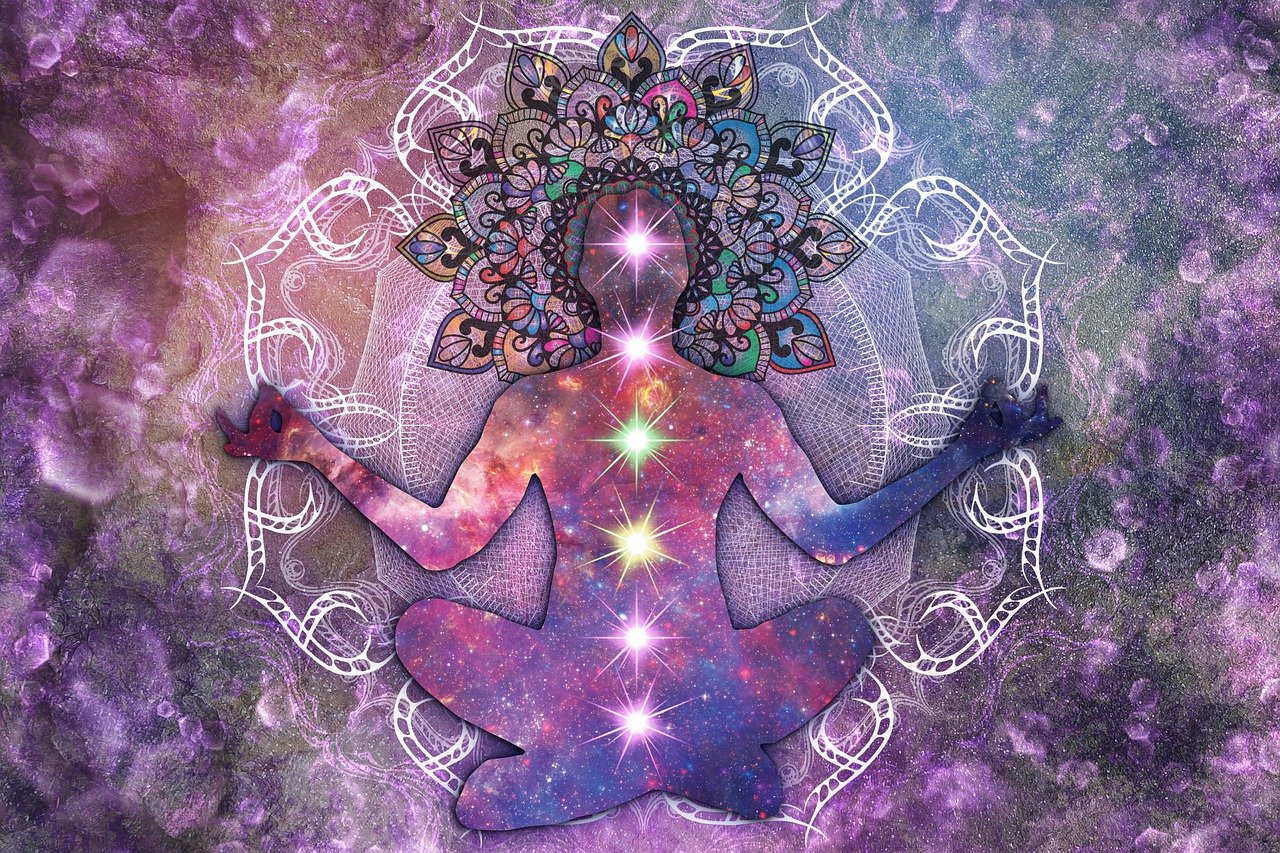
Swamiji explains that these three demons represent the three primary distortions of the personality:
- Dama (The Distorted Intellect): This demon operates at the Ajna Chakra (brow center). It prevents the intellect from assimilating virtues like self-control (Dama), charity (Dana), and compassion (Daya). When Dama rules the head, no matter how intelligent one appears, the mind remains “demoniac” and unable to grasp the truth.
- Vyala (The Poisoned Feeling): Residing in the heart center, Vyala is snake-like. It envenoms our sentiments. A mother’s love is pure, but when touched by Vyala, it becomes Moha (delusion), causing her to harm the child through over-attachment. It turns pure love into a source of bondage.
- Kata (The Crippled Action): Centered in the navel, Kata attacks our Kriya Shakti (power of action). It severs our will to perform righteous self-effort (Purushartha), leaving us spiritually lame and helpless.
Blending Self-Effort with Grace
A key teaching in this lesson is the relationship between self-effort and Divine Grace. Swamiji uses the beautiful parable of the Swan who resolved to empty the ocean to recover its egg. While the swan’s physical effort (dipping a blade of grass) was negligible compared to the vast ocean, its determination invoked the grace of Garuda (Lord Vishnu’s vehicle), who accomplished the task instantly.
Similarly, our individual self-effort may seem small, but when it is persistent and surrendered to God, it blends with Divine Grace, making the impossible possible.
The Power of Affirmation
To counteract the poison of egoism, the scripture prescribes specific spiritual affirmations (Bhavana). We must replace the limiting belief of “I am this body” with the liberating truth.
Swamiji outlines three types of affirmations, encouraging us to adopt the first two:
- Aham Brahmasmi: “I am the Absolute Brahman.”
- Ahamevedam Sarvam: “I alone exist in all names and forms.”
By constantly remembering the true nature of the Self, the illusory ego sense is not allowed to grow into the mighty tree of the world process.
*
Scholar’s Corner
Scriptural Citations in this Lesson:
- Yoga Vasistha, Sthiti Prakaraṇa, Section 33: The primary text discussing the story of Dama, Vyala, and Kata.
Maha-Vakyas (Great Sentences): Aham Brahmasmi (I am Brahman) and Ahamevedam Sarvam* (I am all this).
*
Glossary of Terms
- Dama: In the context of the demon, it represents the force that stops self-control. In the context of virtue, it means control of the senses.
- Vyala: A demon representing the distortion of sentiment/feeling (snake-like).
- Kata: A demon representing the crippling of action/self-effort.
- Moha: Delusion; attachment born of ignorance.
- Kriya Shakti: The power of action.
- Purushartha: Self-effort.
- Satsanga: Association with the wise/truth.
- Avidya: Ignorance.
- Satyam Shivam Sundaram: Truth, Auspiciousness, and Beauty.
*
Ready to deepen your understanding?
Watch the full lecture here and learn how to navigate the path to liberation.
Join the Community:
Stay connected with us on WhatsApp for daily spiritual updates.
This study guide is drawn from the archived teachings of Sri Swami Jyotirmayananda.